Awareness Cancer Faith Hope Love Embroidery Design Review
As an experienced embroidery designer and product reviewer, I often find myself evaluating digital embroidery designs for their real-world usability. The Awareness Cancer Faith Hope Love design caught my attention not just for its theme but for how it translates into tangible handmade products. In this review, I’ll walk through my thought process as I consider using this design in a practical project—specifically, a custom sweatshirt for a boutique client’s holiday gift collection.
First Impressions: Mood and Visual Personality
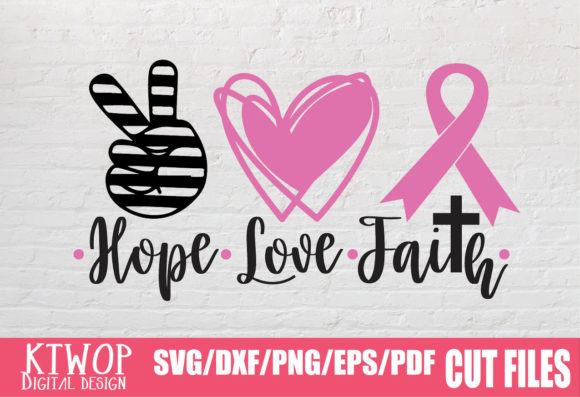
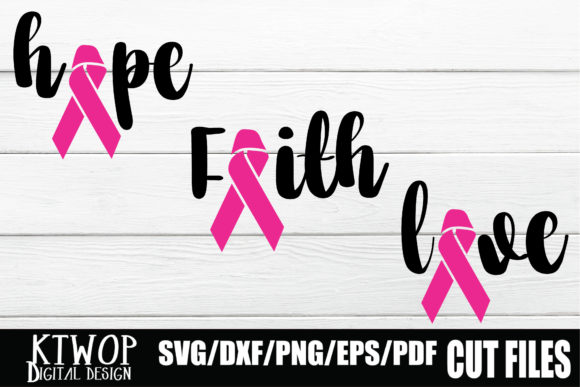
The Awareness Cancer Faith Hope Love design immediately evokes a sense of compassion and strength. Its layout is clean yet expressive, with a central motif that combines symbolic elements like ribbons and hearts with meaningful text. The font used for “Faith,” “Hope,” and “Love” feels hand-drawn and sincere, which adds to the emotional resonance of the piece.
What stands out is the balance between detail and simplicity. There are enough intricate lines and curves to give the design character without overwhelming the overall composition. This makes it versatile for both subtle, minimalist embroidery and bolder, more decorative applications. It's a design that communicates empathy, making it ideal for projects where sentiment matters as much as aesthetics.
Theme and Project Fit
This design naturally belongs in a range of handmade products, particularly those aimed at raising awareness or serving as personalized gifts. For example, when creating a custom sweatshirt for a breast cancer support group, this design would feel right at home. The soft curves and heartfelt message could be stitched onto a cozy, oversized hoodie to create a warm and supportive item that resonates emotionally with the wearer.
I also see potential in custom apparel and holiday gifts. Whether embroidered on a tote bag for a charity event or a baby blanket as part of a nursery decor set, the design maintains a consistent tone of hope and faith. That said, it’s important to evaluate how the design will perform on different materials and under various stitching conditions before committing to production.
Real-Life Performance in Embroidery Projects
When working with machine embroidery designs, I always ask: How does this look after stitching? Will it hold up on fabric that needs frequent washing? Does it scale well across different hoop sizes and garment types?
- Sweatshirts and Tote Bags: The design works beautifully here due to the large, flat surface area. The satin stitch outlines and fill stitches remain clear even after multiple washes, especially when using high-quality polyester threads. A slight adjustment in stitch density might help prevent puckering on heavier knits.
- Baby Clothes and Nursery Decor: The gentle imagery and non-aggressive stitch patterns make this suitable for delicate items. However, I’d avoid using it on stretchy or thin fabrics unless reinforced with proper stabilizer. The fine details in the ribbon motifs can become distorted if not carefully tested first.
- Patches and Caps: On curved surfaces like caps, the corners may need some manual tweaking. Using a black-and-white mockup beforehand helps visualize how the design will wrap around the shape. As for embroidered patches, the design holds up well but requires careful placement to maintain clarity.
- Commercial Embroidery: For small shop owners or Etsy sellers looking to add this to their product line, it's essential to check whether the design includes commercial use rights. Without proper licensing, selling finished goods or digital embroidery files could lead to issues down the line.
Stitching Clarity and Fabric Considerations
One thing I noticed while reviewing the embroidery file is that the text is relatively large and legible, which is great for most garments. But the smaller elements, like the ends of ribbons and inner details, require closer inspection. These areas may have tighter stitch density, so they could pose challenges on textured or loosely woven fabrics.
For instance, when applying the design to a cotton tea towel, the running stitch sections might show some fraying unless you pre-wash the fabric and use tear-away stabilizer beneath the design. Similarly, on a satin-stitched pillow cover, the design looks elegant, but the fill areas might need extra reinforcement to avoid distortion during sewing or laundering.
Where to Use With Caution
While the Awareness Cancer Faith Hope Love design is adaptable, there are certain scenarios where it should be used carefully:
- Small Hoop Sizes: The design has a decent footprint, so attempting to fit it into a tiny hoop could compromise its readability and visual impact.
- Dark Fabrics: The thread color contrast must be checked thoroughly. If the design uses light-colored threads, it may get lost on darker backgrounds unless outlined or reversed.
- Stretchy or Thin Materials: Without proper backing or stabilizer, the design could pucker or lose definition. Always test on scrap fabric before finalizing a project.
- Products Subject to Frequent Washing: High-density areas may pill over time. Opt for durable threads and consider using a water-soluble stabilizer to protect the integrity of the design.
- Curved Surfaces: On caps or curved seams, the design may need to be split or manually adjusted to ensure even coverage and alignment.
Design Integrity and Customer Reactions
From a customer perspective, this design carries weight. People respond positively to messages of hope and healing, especially when presented in a tasteful and professional manner. As a craft business owner, I know that customers appreciate personalized gifts that reflect deeper meaning—this design delivers that emotional value.
However, if the stitching isn’t crisp or the colors don’t pop, the effect can be lost. So it's crucial to match thread colors correctly and ensure the fabric supports the design’s structure. Testing on a similar material to your intended final product will help avoid surprises.
Professional Insights for Embroidery Designers
Here are a few notes I'd jot down if I were preparing this design for a client or my own handmade product line:
- Test on Scrap Fabric: Especially if using a new thread brand or unfamiliar fabric type. This helps catch any issues with tension or stitch behavior early.
- Review Stitch Density: Dense areas can cause puckering or stiffness. Adjustments may be necessary depending on the garment’s use (e.g., a cozy sweatshirt vs. a fitted cap).
- Check Thread Color Contrast: Make sure the text and symbols stand out clearly against the background. If the design comes in only one color palette, consider converting it to grayscale to test visibility on dark fabrics.
- Confirm Hoop Size Requirements: Though not specified in the listing, many machine embroidery designs have minimum and maximum hoop limits. Be sure to check the software compatibility and recommended settings.
- Inspect Small Details: Tiny lettering or ribbon edges can easily disappear if not properly stitched. Zoom in on the DFX or SVG file to assess these areas before cutting fabric.
- Use Proper Stabilizer: Tear-away or cut-away stabilizers can make all the difference in maintaining stitch clarity and preventing fabric distortion.
- Compare Light and Dark Backgrounds: Run tests on both white and navy fabric to see how the design adapts visually. Sometimes a design that looks good in theory doesn’t translate well in practice.
- Confirm Licensing: If you're planning to sell finished products or digital assets, double-check the license included with the design. Some files are for personal use only, which can limit your ability to market them commercially.
Impact on Branding and Marketability
For Etsy sellers and small shop product creators, this design can enhance the perceived value of your offerings. When paired with thoughtful packaging and a compelling story behind the item, it becomes more than just an embroidered sweatshirt—it becomes a symbol of support and love.
It also contributes to brand consistency, especially if your shop focuses on wellness, spirituality, or community-driven themes. The design’s visual language aligns well with design assets that aim to inspire or comfort, making it a strong addition to your portfolio of graphics and crafts.
Customer trust is another factor. People want to know that the embroidery project they’re purchasing won’t unravel after the first wash or look unprofessional when applied. By ensuring the design is compatible with your tools and materials, you build credibility and encourage repeat buyers.
Final Thoughts for Creative Entrepreneurs
In short, the Awareness Cancer Faith Hope Love design is a solid choice for a variety of embroidery projects, from personal gifts to boutique merchandise. Its emotional appeal and balanced detail level make it a flexible asset in the hands of a skilled designer.
But remember, no matter how beautiful a design looks on screen, the real test is how it performs in the hoop. Take the time to run trials, adjust stitch settings, and ensure compatibility with your machine and materials. That way, every finished product you offer carries the same care and quality that your customers expect—and deserve.
If you're considering adding this to your next printable mockup or digital product preview, think about the context in which it will be used. Is it for a memorial item? A promotional gift? Or a simple token of encouragement? Tailoring the presentation accordingly can elevate the buyer engagement and reinforce the message of faith and hope.