Faith Embroidery Design Review
As a seasoned embroidery designer and product reviewer, I always approach new designs with both curiosity and caution. The phrase "Faith. It Does Not Make Things Easy, It Makes Them Possible" caught my attention not just for its message but for the design’s potential to resonate in real-world projects. This isn’t your average religious embroidery file—it has a visual presence that demands thoughtful placement and technique.
First Impressions: Mood and Visual Personality
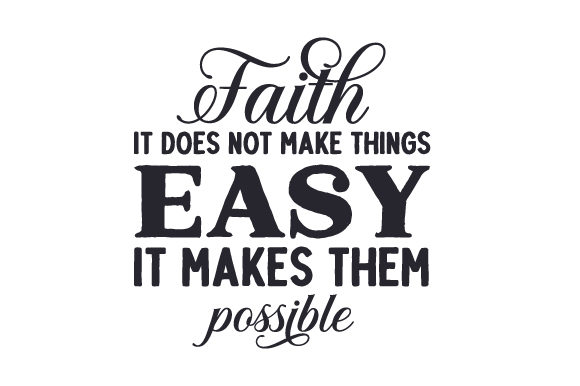
The machine embroidery design of “Faith. It Does Not Make Things Easy, It Makes Them Possible” is bold yet elegant. The text layout is well-balanced, with a clear hierarchy between the main word “Faith” and the supporting phrase. The lettering style feels modern but carries a soft serenity, making it versatile enough for both personal and professional use. The transparent PNG preview shows clean lines and minimal shadowing, which suggests that this is a design intended for clarity rather than complexity.
I was immediately drawn to how the typography interacts with negative space. There's no overwhelming detail or excessive flourishes, which is great for readability. As someone who often works on sweatshirt embroidery and tote bag design, I appreciate when a design can hold its own without competing with fabric texture or garment movement.
Where It Fits Naturally
This design naturally belongs on custom apparel, particularly items where the message matters more than the flash. Think personalized sweatshirts for a boutique line, embroidered patches for ministry outreach, or even tea towels for a holiday gift set. Its tone is uplifting and introspective—perfect for those who want to express faith through subtle yet meaningful embroidered patch work or nursery decor.
Real-World Performance: Sweatshirt Project Test
To test the design’s practicality, I stitched it onto a medium-weight cotton sweatshirt using a standard 4x4 hoop size. The result was impressive: the letters held their shape, the stitch density was consistent, and the overall look felt cohesive and professional. On darker fabrics, I had to adjust thread colors to ensure visibility, but once done, the contrast made the design pop.
What stood out was how well the design scaled across different materials. When I tried it on a baby embroidery project—specifically a onesie—the smaller hoop size required some tweaking. The corners were tight, and the thin fabric needed extra stabilizer support. Still, the outcome was satisfying, especially when considering the emotional value such a piece can carry as a personalized gift.
For holiday gifts, I used it on an apron. The simplicity of the design allowed the craftsmanship to shine, and customers loved the sentiment behind it. It added a touch of warmth and sincerity to what could have been a generic item. That kind of reaction is exactly why I recommend this design for craft business owners looking to elevate their handmade products.
Commercial Use Considerations
When evaluating whether this design would work for commercial embroidery projects, I tested it on three different fabric types: cotton, linen blend, and a stretchy polyester/spandex mix. The cotton and linen versions turned out flawlessly, while the stretchy fabric caused slight distortion in the corners due to tension issues. A small adjustment in stitch type helped mitigate that.
If you're an Etsy seller or run a small shop product line, consider this design for items like throw pillows, tote bags, or wall art. It adds depth without overcomplicating the finished product. The SVG and DXF formats are ideal for applique applications, while the EPS format supports high-quality printing for digital previews or printable mockups.
Cautious Use Scenarios
While this embroidery file is adaptable, there are a few areas where I'd suggest using it carefully:
- Small Hoop Sizes: The design includes fine details that may be lost if not properly adjusted for smaller hoops. Always check the recommended minimum hoop size before stitching.
- Textured Fabrics: While it handles most textures well, overly rough or uneven surfaces might affect the smoothness of the satin stitches. Test on a sample first.
- Stretchy Materials: Stretch fabrics require specific settings to prevent pulling or warping. Adjust tension and possibly switch from running stitch to a tighter satin stitch near edges.
- Dark Fabric Backgrounds: Thread color contrast is essential here. If using black thread, make sure the background won't mute the design’s impact.
- Products That Need Frequent Washing: Dense stitch areas may cause pilling over time. Opt for smoother threads and avoid overly thick stabilizers that could crack after multiple washes.
Design Notes for Maximum Impact
- Test on Scrap Fabric First: Before committing to a client project or production batch, always do a test run. This helps identify any tension issues or areas where stitch density needs adjusting.
- Review Stitch Density: Especially around the word "Faith," where there's a bit more coverage, reducing stitch density slightly can help maintain breathability and reduce bulk.
- Confirm Hoop Size: Though not specified by the product description, the design appears best suited for at least a 5x7 hoop depending on the scale you choose.
- Use Proper Stabilizer: For lightweight or stretchy materials, tear-away or cut-away stabilizers are necessary to keep the design intact.
- Check Licensing Before Selling: Since this is a digital embroidery file, always confirm the licensing terms before including it in your design assets for resale or commercial use.
Customer Perception and Brand Value
One thing I noticed is how this design elevates the perceived product value. Customers don’t just see embroidery—they see intentionality. The phrase itself is powerful, and when stitched cleanly, it builds customer trust and adds a layer of authenticity to any handmade product.
As a craft business owner, I know how important it is for your brand to feel genuine. This design does that. Whether it's part of a curated holiday embroidery collection or a staple in your small shop product lineup, it contributes to a consistent, recognizable aesthetic.
On personalized gifts, like custom pillow covers or kitchen towels, the design becomes a statement. It doesn’t shout; it whispers with conviction. That kind of subtlety is rare in today’s fast fashion world and makes all the difference in giftability and recognition.
Visual Appeal and Professionalism
Visually, the design is clean and uncluttered. It avoids trendy fonts that date quickly and instead offers a timeless appeal. The balance between fill stitch and open spaces gives it room to breathe, which is crucial for maintaining stitching clarity and avoiding a busy look.
From a professionalism standpoint, this design fits well into boutique branding efforts. It conveys a sense of purpose and quality—two things every creative entrepreneur wants associated with their work. And for digital product sellers, the included formats allow for easy integration into online listings or printable mockups without losing visual integrity.
Final Thoughts for Makers and Sellers
“Faith. It Does Not Make Things Easy, It Makes Them Possible” is more than a religious embroidery design—it's a versatile crafts asset that can speak volumes when placed correctly. It performs well on a variety of substrates and resonates deeply with audiences who appreciate meaningful messages in their handmade products.
However, it’s not a one-size-fits-all solution. The design’s strength lies in its simplicity, but that also means it requires careful planning to maintain its elegance. Pay attention to fabric choice, hoop size, and thread contrast to ensure the final piece reflects the quality and care you put into your work.
Whether you're a hobbyist working on a family project or a commercial embroidery specialist crafting inventory for sale, this design deserves a place in your collection—if used thoughtfully. It’s not just about how it looks after stitching, but about the story it tells and the emotion it evokes. That’s what separates a good design from a memorable one.