Reviewing Faith Mandala Design for Real Embroidery Projects
As an experienced embroidery designer and product reviewer, I’ve tested countless digital embroidery files. When it comes to the Faith Mandala Design, there’s something special about its balance of artistry and functionality that immediately caught my attention. It's a design with intention—crafted not just for beauty but also with practicality in mind for real-world use. Let me walk you through how this machine embroidery design holds up when applied to actual handmade products and commercial ventures alike.
First Impressions: Aesthetic and Layout
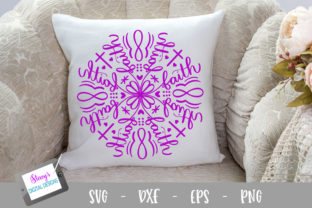
The first thing I noticed about the Faith Mandala Design is its harmonious structure. Mandalas are inherently symbolic, often representing peace, spirituality, or personal growth, and this one delivers that message subtly. The layout is circular, which gives it a natural flow and makes it ideal for hoop-based embroidery projects. The symmetry is well-balanced, and the lines aren’t overly intricate, making it more accessible for hobbyists while still offering enough depth for professionals looking to create meaningful graphics.
I was especially drawn to the way the details build from the center outward. It feels like a journey visually, which adds emotional weight to the design. This kind of storytelling can be powerful when used on personalized gifts or spiritual-themed items. The overall mood is calm and uplifting, fitting perfectly for baby clothes, holiday gifts, or even wellness-related merchandise.
Visual Personality and Project Fit
While mandalas can sometimes come off as too "spiritual" or niche, this design avoids that pitfall by keeping its form elegant and versatile. The visual personality isn’t overpowering, so it doesn’t clash with other elements if you plan to layer it with text or smaller accents. That makes it adaptable for both standalone pieces and part of a larger branding suite.
In terms of project fit, I see the Faith Mandala Design excelling on medium to large surfaces—think sweatshirts, tote bags, aprons, or decorative pillow covers. Its scale allows for rich stitch definition without overwhelming the fabric or the viewer’s eye.
Real-Life Application Scenarios
Let’s imagine using this design for a custom embroidered tote bag. The mandala would sit beautifully along the bottom hem or centered on the front panel. With its flowing lines and layered petals, it brings a sense of mindfulness and craftsmanship that customers will appreciate. For an Etsy seller or small shop owner, this could be a standout item in your line of handmade products, especially if you're focusing on wellness, yoga, or faith-based themes.
If you’re working on sweatshirt embroidery, the design’s soft curves and structured layers make it ideal for back-of-neck or chest placements. I’ve seen similar designs get lost in dense stitching, but the Faith Mandala Design maintains clarity even when scaled down slightly. For baby clothes or nursery decor, it’s gentle and soothing—perfect for creating a peaceful aesthetic.
This design also works well as an embroidered patch. The clean separation between elements (like fill stitches and satin outlines) makes it easy to trim and apply later. As a bonus, the SVG, EPS, PNG, and DXF file types included in the zip allow for both digital embroidery and cutting applications, giving it dual versatility for crafters who work across mediums.
Performance in Commercial Embroidery Settings
When considering commercial use, the Faith Mandala Design shows promise. It has the visual appeal to stand out in boutique branding or gift shop inventory. If you're a small business owner looking to add a unique touch to your product line, this could serve as a signature graphic. It's equally effective as a printable mockup asset for digital product sellers, helping buyers visualize the final look before purchasing.
For apparel decorators, the design can be integrated into seasonal collections—holiday gifts, springtime apparel, or summer accessories. Its neutral tone and abstract nature allow it to pair well with many color schemes and fabric styles. Just keep in mind that it might need adjustments depending on the fabric texture you're using.
Where to Use with Caution
Though the Faith Mandala Design is impressive, it does have some limitations based on the embroidery surface. For example:
- Small hoop sizes: The design’s moderate complexity may not translate well if you try to shrink it beyond recommended limits. Always confirm the minimum hoop size before proceeding.
- Textured fabrics: On materials like denim or canvas, the fine lines might lose some detail unless proper stabilizer is used and tension is carefully adjusted.
- Thin or stretchy fabrics: These can distort the shape or cause skipped stitches, especially in the innermost sections where density increases.
- Dark fabric backgrounds: The design relies on thread contrast to maintain visibility. Consider using lighter thread colors or metallic accents to enhance its presence.
- Curved surfaces: While it’s possible to embroider on caps or curved garments, the design may require seam allowances or repositioning to avoid distortion.
- Dense stitch areas: The central portion has a tighter stitch count. Test these zones on scrap fabric to ensure they don’t pucker or warp the material.
These are not deal-breakers, but important considerations to help you achieve the best results. Every embroidery project is a puzzle, and knowing the strengths and weaknesses of your design assets is key to solving it smoothly.
Design Impact on Product Value and Customer Engagement
One of the things I love most about the Faith Mandala Design is how it elevates the perceived value of any finished product. Whether it’s a custom sweatshirt or a hand-embroidered tea towel, the mandala adds a touch of sophistication and thoughtfulness. Customers tend to respond positively to such visuals, especially when they represent something personal or meaningful—like a personalized gift or a spiritual milestone.
From a brand consistency standpoint, the design offers a cohesive look that can be repeated across different items. Imagine using it on a set of matching baby clothes and a plush blanket. The repetition builds recognition, and the soft, flowing style reinforces a warm, artisanal identity.
On platforms like Etsy, this kind of design can boost buyer engagement. People are drawn to aesthetics that feel intentional and high-quality. When presented with a printable mockup showing the design on a tote or a onesie, potential customers can envision the product in their own space, increasing conversion rates.
Handmade Presentation and Professionalism
For those in the crafts and handmade product industries, the Faith Mandala Design can help bridge the gap between casual creativity and professional finish. It looks polished yet remains true to its artistic roots. This duality is rare and valuable—it allows hobbyists to create something that feels authentic and at the same time, worthy of display in a retail setting.
It also enhances customer trust. A well-executed design like this signals quality and care in the production process. Even if the design itself is simple, the way it's stitched and presented can communicate professionalism and attention to detail—two traits that matter greatly in small shop product offerings.
Embroidery Designer Notes for Best Results
Before committing to a full run, always test the digital embroidery file on scrap fabric. This helps identify issues with stitch density or thread coverage early. I recommend experimenting with different thread colors and combinations to find what works best with your chosen fabric background.
Here are some quick tips for getting the most out of this design:
- Check stitch density: Especially in the central area, adjust the stitch spacing if needed to prevent puckering.
- Confirm hoop size: Don’t assume; verify the required dimensions for optimal placement and performance.
- Inspect small details : Zoom in on the design preview to ensure all elements render clearly after digitization.
- Test in black and white: This helps determine how the design will look on darker fabrics or with monochrome thread choices.
- Use proper stabilizer: Depending on the fabric, tear-away or cut-away stabilizers may be necessary to support the design’s structure.
- Review licensing: Since this is a digital product intended for commercial use, always check the licensing terms before selling finished goods or digital assets.
By following these steps, you’ll ensure that the Faith Mandala Design performs as expected and meets your standards for both visual appeal and durability.
Final Thoughts on Design Versatility
In summary, the Faith Mandala Design is a solid addition to any embroidery designer’s library. It’s not flashy, but it carries a quiet strength that resonates with a wide audience. From custom apparel to holiday gifts, it finds a home in many niches. And because it’s available in multiple file formats, it supports both digital and physical creation workflows.
However, success with this design depends on thoughtful application. Be mindful of fabric type, hoop size, and thread contrast. Treat it like any other machine embroidery design—with respect for its technical requirements and appreciation for its creative potential.
If you’re a craft business owner or creative entrepreneur, consider this design as a cornerstone for your next collection. With the right preparation and execution, it can become a favorite among your customers—and a reliable asset in your design assets portfolio.