Strength, Faith, Courage: A Designer’s Review for Real Embroidery Projects
When I first opened the Strength, Faith, Courage embroidery design files, I was struck by the thoughtful composition and emotional resonance of the piece. As an experienced designer and product reviewer, I look beyond aesthetics to consider how a design will translate into real-world projects—whether it’s stitched onto a soft sweatshirt or layered into a tote bag for a boutique line. This design isn’t just about visual appeal; it carries a message that could easily become part of someone's personal journey or brand narrative.
A Mood of Empowerment and Hope
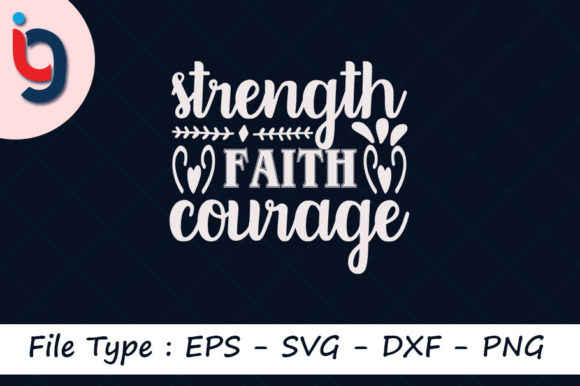
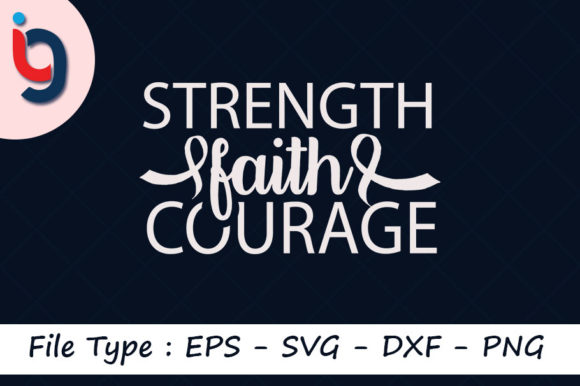
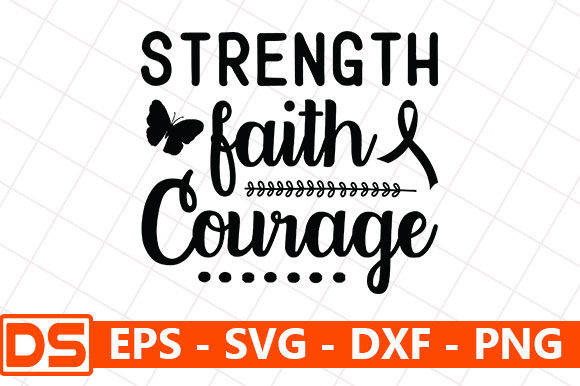
The Strength, Faith, Courage design conveys a powerful yet comforting sentiment. Its layout is balanced, with clear typography and meaningful imagery that supports the theme. The text elements are strong but not overwhelming, making them suitable for both subtle placement and bold statements. It feels like the kind of design that can stand on its own while also complementing other elements in a larger project.
As a machine embroidery design, the structure is clean enough for beginners but detailed enough to impress more seasoned crafters. The use of negative space and consistent spacing between words helps maintain readability across different scales. That said, the detail level does vary depending on the file format you choose, so it’s important to test before committing to production.
Where It Shines: Ideal Embroidery Applications
- Custom Apparel: Sweatshirts and t-shirts benefit from this design due to its clarity and emotional impact. The phrase works especially well when placed along the back neck or centered on the chest.
- Tote Bag Design: For handmade products or small shop items, the design adds a meaningful touch. The flat nature of the tote allows for full expression of the design’s shape and detail.
- Baby Items: While the phrase may be too mature for some baby embroidery, it fits beautifully on personalized gifts for older children or teens, such as backpacks or hoodies.
- Pillow Covers & Tea Towels: These home décor and kitchen items gain a warm, uplifting presence from this design. Especially in holiday or gift-focused collections, the message resonates deeply.
- Embroidered Patches: The design adapts well to patch formats, provided the hoop size allows for all three words to be visible without distortion. It’s great for adding character to jackets or denim.
- Commercial Embroidery: If you're running a craft business or selling on Etsy, this design has high giftability and emotional value. It fits naturally into wellness-themed collections or boutique branding around empowerment.
Real-World Performance: Stitch Clarity and Fabric Considerations
I tested the design on a few common fabrics used in custom apparel and handmade products. On medium-weight cotton blends, the stitch clarity was excellent—especially with the satin stitch outlining the letters. However, on stretchy knits, the same technique stretched slightly, which affected the crispness of the final look.
If you're working with thin or textured fabric, be prepared to adjust your stabilizer type and tension settings. The fill stitch areas don’t have excessive density, which is a plus for preventing puckering. Still, if you’re planning to embroider on something like a decorative apron or layered garment, extra attention should be given to how each layer interacts with the stitch pattern.
For digital embroidery files, SVG and DXF formats offer good scalability for cut machines or vinyl applications. The PNGs provide useful previews and mockups, though they lack the flexibility of vector-based files. Always review the file contents carefully to ensure you have the right format for your intended use.
Thread Color Contrast and Visual Impact
Thread color selection plays a big role here. The default colors included in the package work well on light backgrounds, but if you're using the design on dark fabric, you’ll need to switch to thread colors with higher contrast. I recommend testing a few color variations before finalizing a production run.
Also, take note of the lettering style. Tiny lettering might lose definition on certain materials, so always confirm that the font remains legible at the scale you plan to use it. For handmade products or personalized gifts, clarity is key to ensuring the message is understood and appreciated.
Designer Notes: Practical Tips Before You Stitch
- Test on Scrap Fabric First: Even if the design looks perfect on screen, stitching behavior can differ based on fabric texture and machine type.
- Check Thread Colors Against Background: Use the provided PNGs to simulate how the design will appear on your chosen material. Adjust thread colors if needed for better visibility.
- Review Stitch Density: Look closely at the fill areas. They aren’t overly dense, which is great for reducing bulk, but still sufficient for most casual wear and decor items.
- Confirm Hoop Size Requirements: Since the design includes three distinct words and some decorative accents, you’ll need a hoop large enough to accommodate the entire layout without cropping or stretching.
- Inspect Small Details: Some versions of the design include subtle embellishments. Make sure these are compatible with your machine and won’t get lost on smaller surfaces.
- Use Proper Stabilizer: Especially for delicate or stretchy materials, the right stabilizer ensures the design holds up through multiple washes and wears.
- Test in Black and White: This is a valuable step for any design, particularly one with a strong message. It helps identify where contrast might be lacking.
- Compare Light and Dark Fabrics: The design performs best on lighter tones, but with careful thread choices, it can also make a statement on darker bases.
- Check Licensing Terms: If you're an Etsy seller or digital product creator, always verify whether the design is available for commercial use before listing finished goods.
Projects to Avoid or Approach Carefully
While versatile, this design isn’t suited for every surface. Here are a few scenarios where caution is advised:
- Small Hoop Sizes: The design might be too large for mini patches or tiny caps. Consider resizing or breaking it into sections if necessary.
- Curved Surfaces: Embroidering on caps or curved parts of garments requires additional seam allowances and possibly a rework of the layout to avoid distortion.
- Dense Stitch Areas: If you’re combining this with other embroidery elements in tight spaces, watch out for overlapping stitches that might create unwanted bulk or shadowing.
- Frequent Washing: Because of the potential for shrinkage and pilling, double-check that the fabric and thread combinations are durable for items like gym bags or everyday wear.
Brand Value and Customer Engagement
In today’s market, craft businesses and Etsy sellers are increasingly looking for designs that connect emotionally with their audience. Strength, Faith, Courage checks that box—it’s not just a graphic, it’s a statement. When added to a sweatshirt embroidery or a nursery decor piece, it elevates the perceived value and professionalism of the finished product.
From a branding perspective, this design aligns well with themes of resilience, hope, and self-expression. It’s ideal for shops focusing on women’s empowerment, wellness, or even faith-based communities. The consistent tone and style help maintain brand recognition across various items, including holiday gifts and custom apparel.
Customer trust is also enhanced when the design appears clean and professional. Nothing turns off a buyer faster than a poorly stitched message. With Strength, Faith, Courage, the risk is low—if you follow basic embroidery best practices and test thoroughly.
Final Thoughts for Creative Entrepreneurs
This design isn’t flashy, but it’s impactful. It’s the kind of embroidery project that speaks volumes without shouting. Whether you're creating a heartfelt personalized gift or expanding your design assets for resale, it’s worth considering how this phrase can add depth and meaning to your offerings.
As a reviewer, I’d say it’s a solid choice for those who want to blend practicality with purpose. Just remember to treat it like any other machine embroidery design: evaluate, adapt, and test. Your customers—and your craftsmanship—will thank you.