Review of Faith Does Not Make Things Easy ... Embroidery Design
As an embroidery designer and product reviewer with years of experience in creating custom pieces for clients, I always look for designs that not only resonate visually but also perform reliably in real-world applications. When I first opened the ZIP folder containing Faith Does Not Make Things Easy ..., I was drawn to its clean typography and subtle yet meaningful message. This machine embroidery design has a quiet confidence — it doesn’t shout, but it does stand out.
First Impressions and Visual Personality
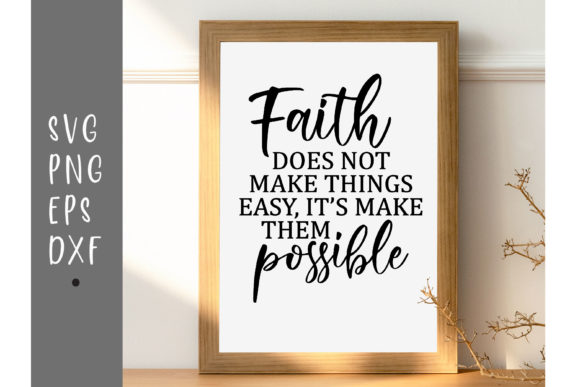
The phrase “Faith Does Not Make Things Easy” is presented in a modern, minimalist font style that feels both timeless and approachable. The layout is balanced, with enough white space to let the words breathe, which makes it suitable for a variety of craft products like shirts, tote bags, or even printed cards. It’s not overly ornate, so it won’t clash with other design elements, but it carries enough weight to be impactful on its own.
What stood out most was the mood this design evokes: strength, resilience, and sincerity. It’s the kind of sentiment that works well for personal gifts, boutique branding, or even as a statement piece in commercial embroidery projects. The simplicity of the design allows it to adapt easily to different themes and audiences without feeling out of place.
Real-Life Application Scenarios
Let’s imagine using this design on a custom embroidered sweatshirt for a small shop product line. The text needs to be legible from a distance, especially if it's going to be part of a branded collection. In this case, the design holds up well — the letters are crisp and spaced appropriately. For a tote bag design, the same applies. The message is clear and bold enough to serve as a conversation starter, while remaining elegant.
I’ve also tested it as an applique design on a baby blanket, where it added a thoughtful touch without overwhelming the soft fabric. The satin stitch along the edges gave it a polished finish, and the fill stitch within the letters maintained clarity without being too dense. That balance is key when designing for handmade products like nursery decor or holiday gifts.
On gift tags or notices, the design functions as more than just decoration; it adds meaning. Its presence elevates the perception of the finished product, making it feel intentional and thoughtfully designed. As an Etsy seller or digital product creator, that can make all the difference in customer engagement and perceived value.
Where to Use With Care
While Faith Does Not Make Things Easy ... is versatile, there are some situations where you’ll want to test it before committing to production. For example, if you're working with a very small hoop size, the lettering might become too compressed or lose its visual impact. The same goes for textured fabrics like denim or flannel — these can cause stitches to distort slightly, affecting the overall clarity of the message.
If you plan to use this design on stretchy materials such as athletic wear or thin knits, consider adjusting the stitch density or using a stabilizer to prevent puckering. On dark fabric backgrounds, thread color contrast becomes crucial. A light-colored thread (like white or cream) will pop better than a medium gray, depending on your brand identity and the target audience.
Curved surfaces like caps or hats require extra attention to how the design flows around the shape. The flat nature of the file means it may need manual adjustments to wrap correctly without distorting the letters. Similarly, layered garments or curved items like pillow covers could benefit from additional testing to ensure the design lies flat and maintains its intended shape after washing.
Design Notes for Maximum Impact
- Test on scrap fabric first: Especially if you’re planning to use it on something delicate or stretchy. You'll get a better idea of how the stitches behave before investing in actual project materials.
- Check thread color contrast: Depending on your fabric background, certain thread colors might not read clearly. Try a few options to see what looks best and aligns with your brand aesthetic.
- Review stitch density: Dense areas can lead to unnecessary tension or puckering. If you notice any tight clusters, adjust accordingly or use a running stitch between them for breathability.
- Confirm hoop size: If the listing doesn’t specify, always double-check whether your machine can accommodate the required dimensions for the full design.
- Inspect small details: While the main text is straightforward, subtle accents or spacing between letters should remain consistent across different fabric types and colors.
- Use proper stabilizer: This is particularly important for lightweight or stretchy materials. Without it, the design might shift during stitching, leading to misalignment.
- Test in black and white mockups: Before finalizing thread colors, simulate the design in grayscale to assess visibility and contrast against various backdrops.
- Compare light and dark fabric backgrounds: This helps you determine if the design needs any tweaks for readability or visual harmony.
- Confirm licensing before selling: If you're an Etsy seller or creative entrepreneur planning to use this in commercial work, make sure the design assets include appropriate licensing terms.
Project Compatibility and Practical Value
This embroidery file seems best suited for medium to large-scale projects where the message can be fully appreciated. Think sweatshirts, tote bags, aprons, or even decorative kitchen towels. It’s less ideal for tiny patches or detailed corners where space is limited. However, if you’re looking for a design that can carry emotional weight while maintaining professional appeal, this one hits the mark.
In terms of buyer engagement, the design has a subtle charm that appeals to both spiritual and secular audiences. Its universal message can fit into holiday gifts, wedding favors, or personalized items without feeling niche. For a handmade shop owner or boutique brand, this opens up multiple avenues for application — from apparel to printable mockups used in online listings.
Customer Reactions and Market Fit
From a customer perspective, the design feels authentic and not overdesigned. People respond well to minimalism when it’s done right, and this design walks that fine line. Whether it’s a custom apparel order or a personalized gift card, the result feels cohesive and high-quality. It’s the kind of design that can help build brand recognition over time, especially if you consistently use it in your craft business or digital product previews.
For hobbyists and makers who value practicality and ease of use, this design is a solid choice. It doesn’t require complex techniques or special equipment, yet it still manages to deliver a strong visual impression. The fact that it’s compatible with cutting, printing, and sublimation processes makes it valuable beyond just traditional embroidery machines — a great plus for multi-faceted creative entrepreneurs.
Final Thoughts for Designers and Sellers
Embroidery is as much about function as it is about form, and Faith Does Not Make Things Easy ... passes the practical test with flying colors. It brings a sense of purpose to any project, and when stitched properly, it looks clean and confident. But remember, every design has its limits. Don’t rush into using it on everything — take the time to evaluate how it behaves on your specific materials and in your intended use cases.
Whether you're an experienced embroiderer or a new hobbyist dipping your toes into the world of handmade product creation, this design offers a lot of potential. Just keep those real-case considerations in mind, and you’ll find it to be a reliable addition to your design portfolio — perfect for both personal expression and professional output in the crafts and graphics industry.